

I’ve been using disposables for years. Can I still buy them? And what vape is actually legal now under the UK vape laws?
A question we hear almost every day at VapeEnterprise goes something like this:
The UK’s disposable vape ban came into force in June 2025. Many vapers are trying to understand the changes. What stayed the same? How do regulations affect products? What can they legally buy and use?
Vape retailers, wholesalers, and online sellers adapted. They faced stricter compliance requirements. Product categories changed. Trading Standards increased scrutiny.
The good news is that vaping remains legal for adults in the UK. Refillable vape devices, pod systems, nicotine salts, shortfills, and many other vaping products are still widely available. However, strict rules govern everything from nicotine strength and tank sizes to packaging, advertising, product notifications, and age verification.
This guide explains
UK vape laws
in 2026. What products remain legal? How does the ban affect consumers and businesses? What should every vaper know before buying?
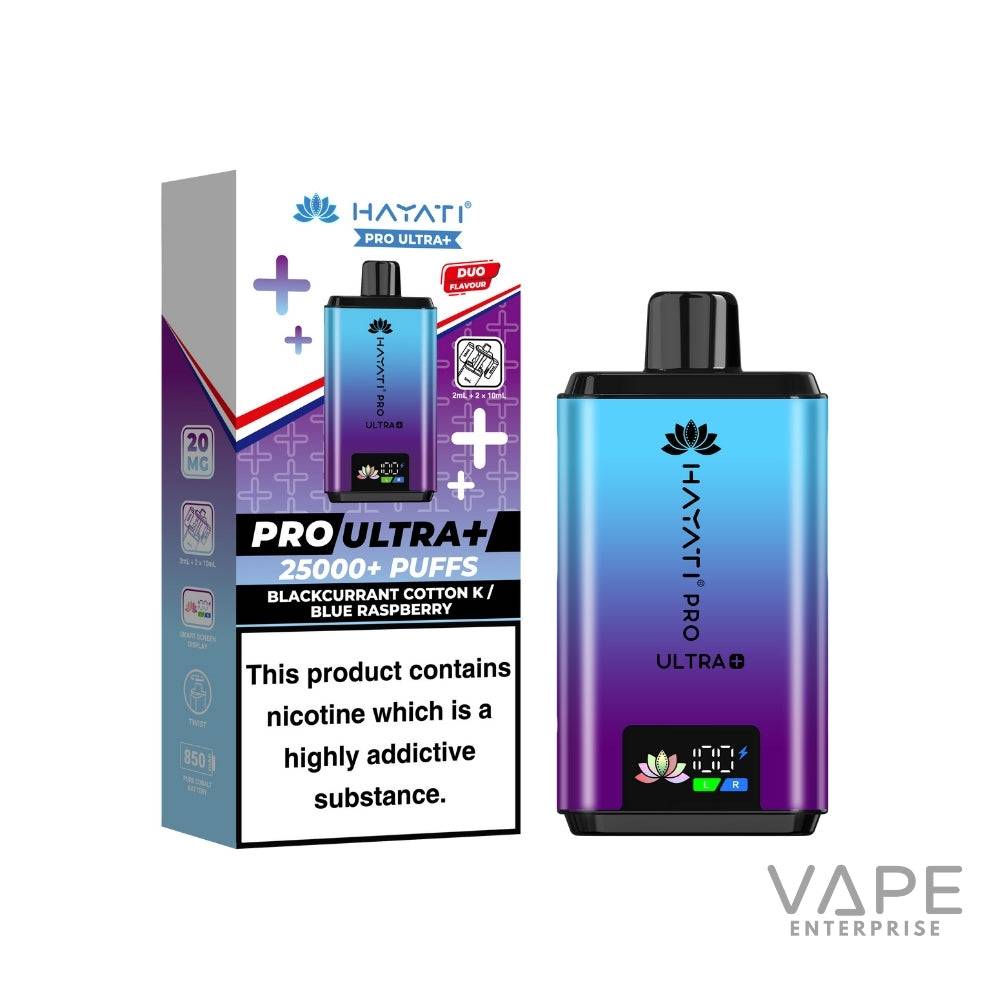
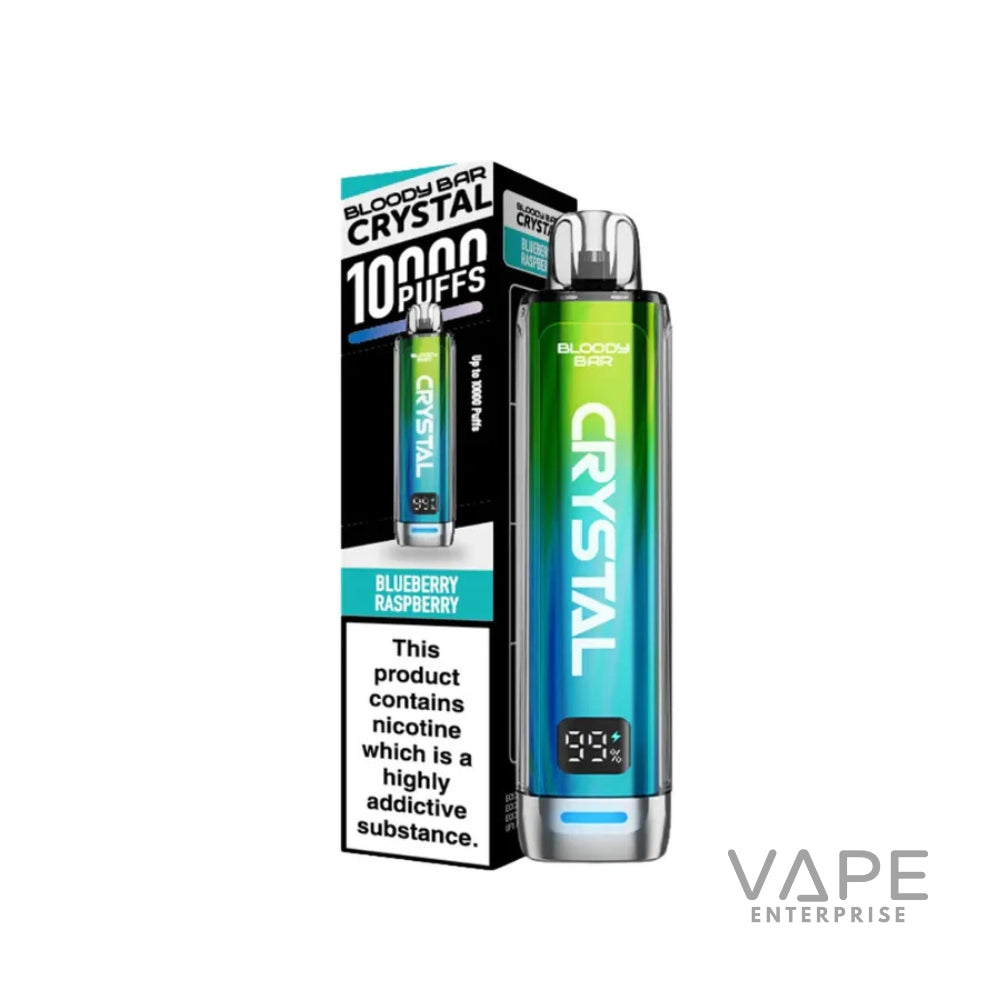
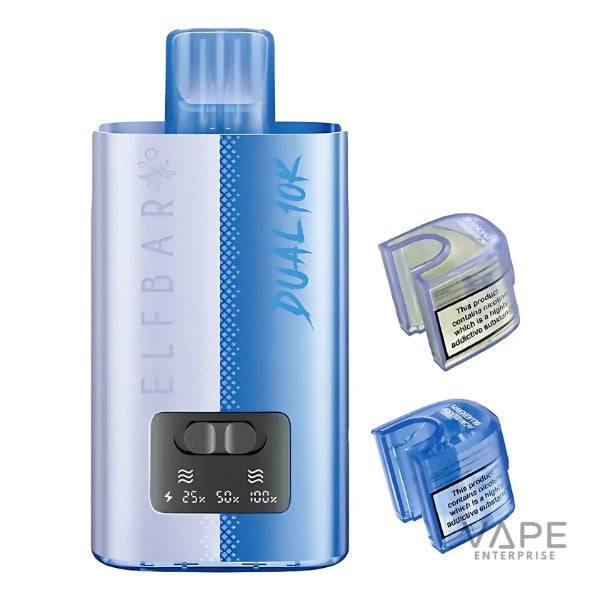
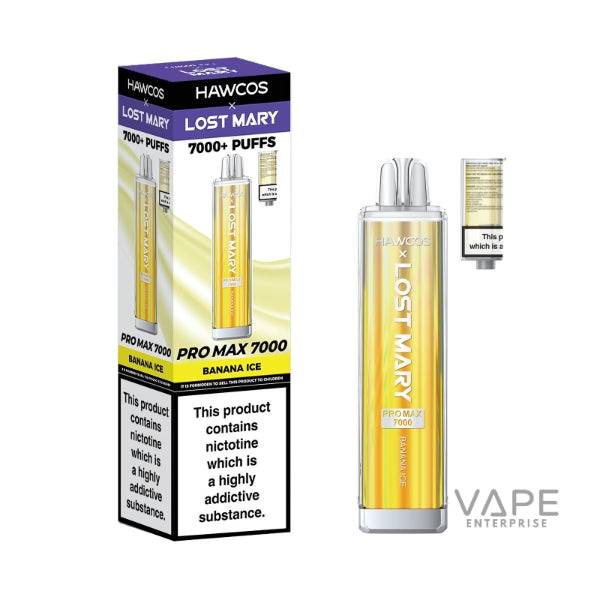
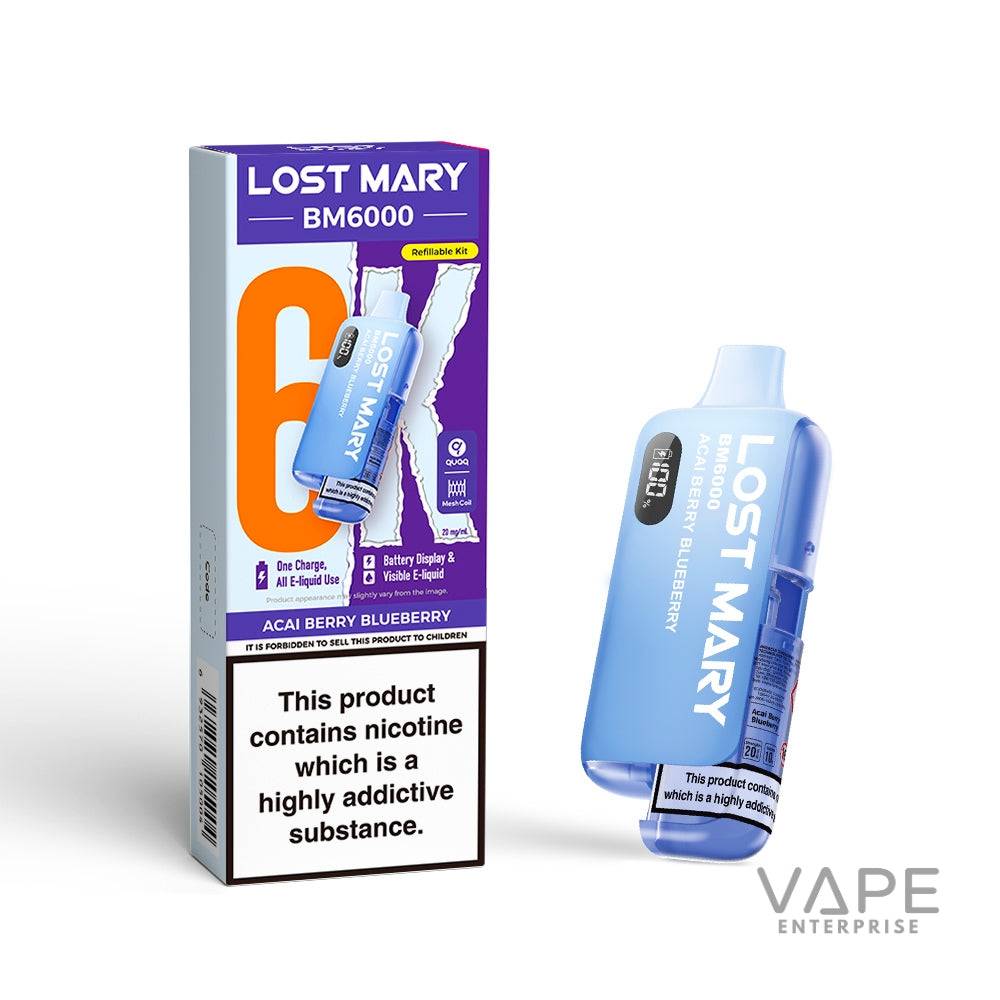
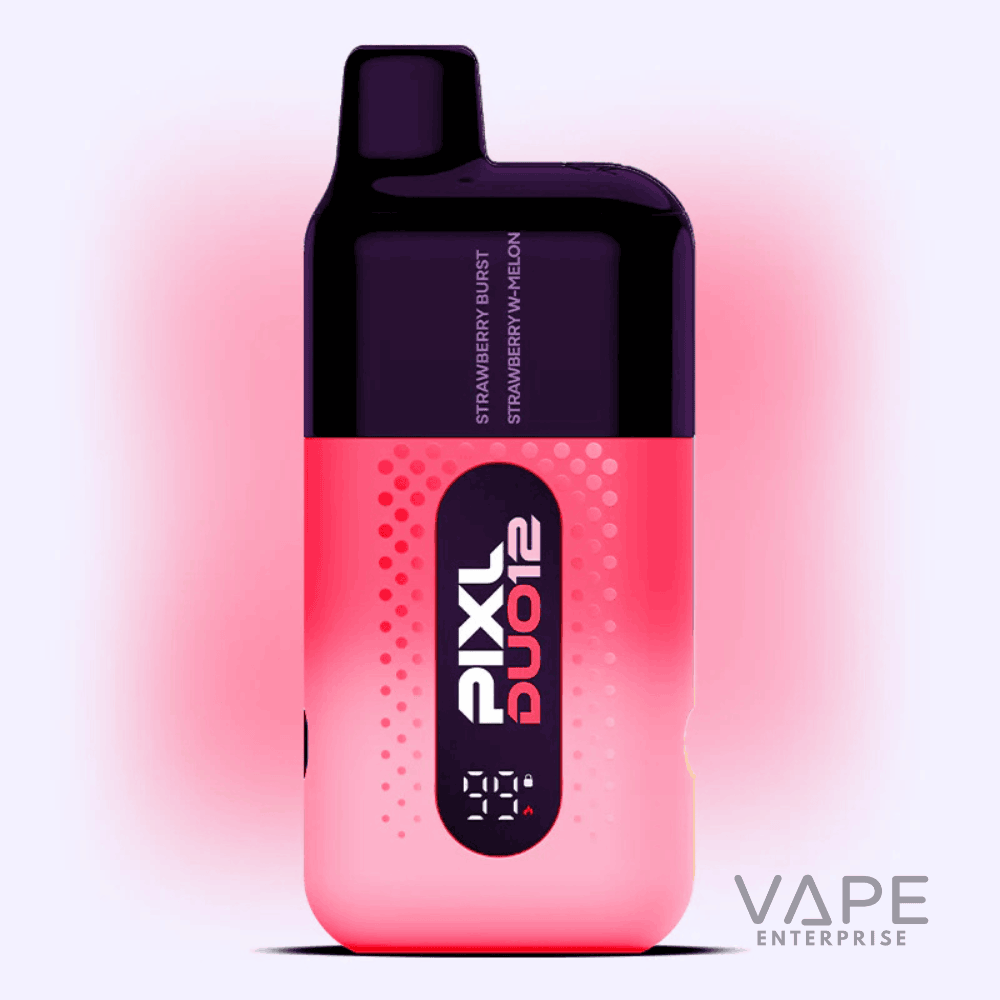
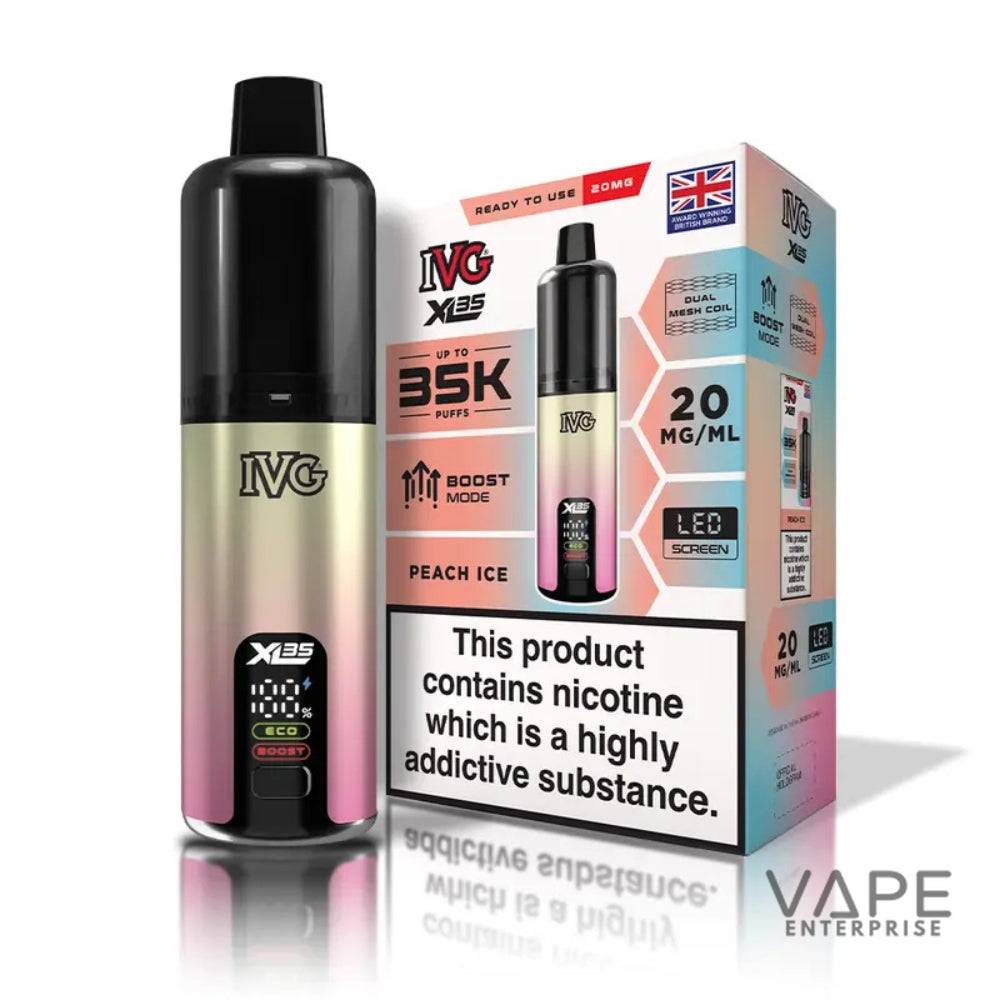
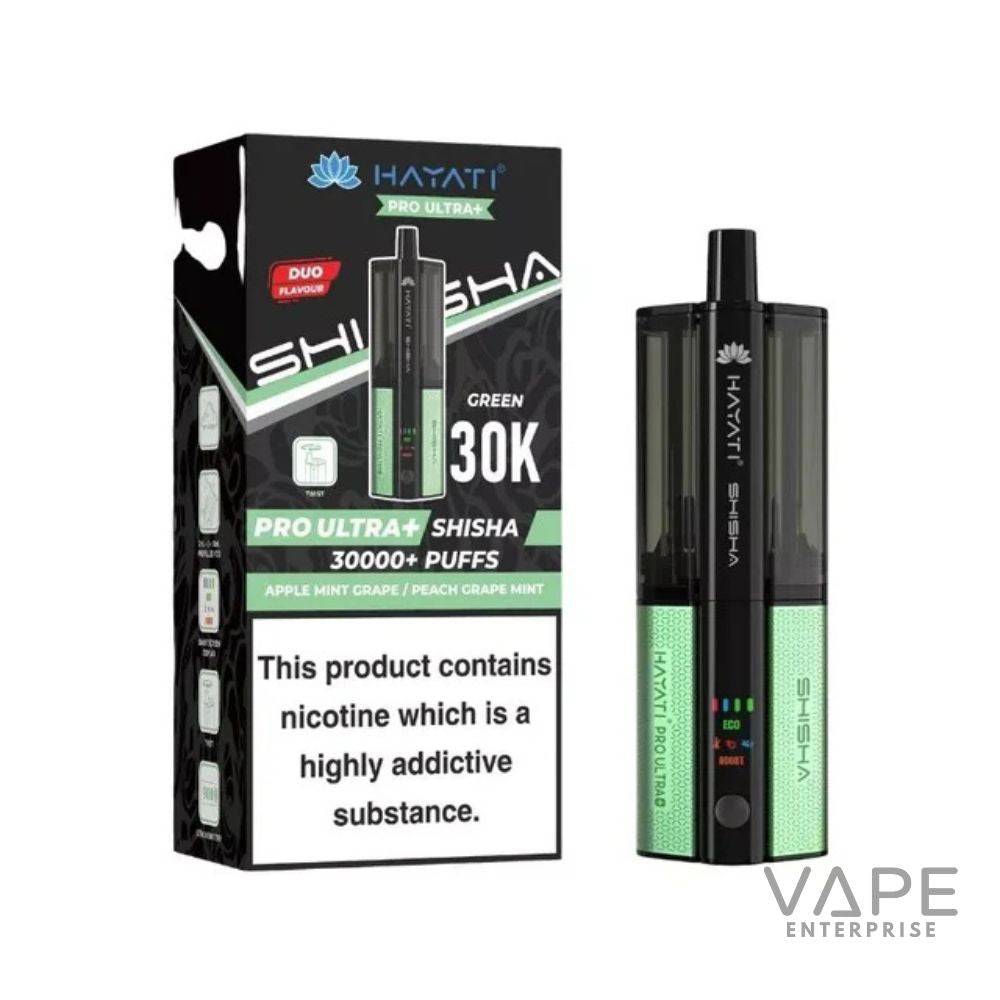
Key Takeaways
- Disposable single-use vapes have been banned across the UK since June 2025.
- Refillable and rechargeable vape devices remain legal for adults.
- The legal age to buy vaping products in the UK is 18.
- Nicotine vape strength remains capped at 20mg/ml.
- MHRA notification is required for compliant nicotine vape products.
- Retailers must follow strict age-verification and compliance rules.
What Are UK Vape Laws in 2026?
The short answer is…
UK vape laws
regulate vaping products. They control manufacturing and import. They also govern sales, marketing, and use. This applies across the United Kingdom.
These laws are designed to balance two important goals:
- Helping adult smokers access less harmful alternatives to cigarettes.
- Preventing youth access and ensuring product safety.
Definition
UK vape laws
combine several elements. These include legislation and product safety. Public health regulations are also covered. Enforcement measures govern all vaping products. This includes nicotine and non-nicotine products sold in the UK.
Several organisations play a role:
- Medicines and Healthcare products Regulatory Agency (MHRA)
- Department of Health and Social Care (DHSC)
- Local Trading Standards authorities
- Office for Product Safety and Standards (OPSS)
- UK Government departments
In practice, these regulations determine:
- Which products can be legally sold
- Maximum nicotine strengths
- Tank and bottle size limits
- Packaging requirements
- Advertising restrictions
- Age-verification obligations
- Product notification requirements
Most customers are surprised by vape rules. Many rules aim for consistency and safety. They don’t restrict adult access. This is our experience serving UK vapers.
Timeline of UK Vape Regulation (2016–2026)
| Year | Key Development |
| 2016 | Tobacco Products Directive (TPD) introduced in UK vaping market |
| 2016 | MHRA notification system becomes mandatory |
| 2017–2019 | Rapid growth of pod systems and nicotine salts |
| 2020–2022 | Disposable vape popularity surges |
| 2023 | Government launches youth vaping consultations |
| 2024 | Disposable vape ban formally announced |
| June 2025 | Single-use disposable vape ban takes effect |
| Late 2025 | Increased Trading Standards enforcement |
| 2026 | Compliance focus shifts to reusable devices and retailer enforcement |
Is Vaping Legal in the UK in 2026?
The short answer is…
Yes. Vaping remains legal for adults aged 18 and over throughout the United Kingdom.
Age Restrictions
The minimum age to purchase:
- Nicotine vapes
- E-liquids
- Disposable alternatives
- Vape devices
- Vape accessories intended for nicotine use
remains 18 years old.
Retailers must verify age both in-store and online.
Public Places
There is no nationwide law banning vaping in public places.
However:
- Restaurants may prohibit vaping
- Shopping centres may prohibit vaping
- Trains and stations may prohibit vaping
- Airports often restrict vaping
Policies are usually set by the property owner.
Workplaces
Employers can establish their own vaping policies.
Some businesses:
- Permit vaping outdoors only
- Create designated vape areas
- Apply the same rules as smoking
Travel Rules
Customers often ask us whether they can travel with a vape.
Generally:
- Vapes must travel in hand luggage
- Spare batteries must be protected
- Airlines may impose additional restrictions
- Destination countries may have stricter laws
Always check airline and destination-country regulations before departure.
Are Disposable Vapes Banned in the UK?
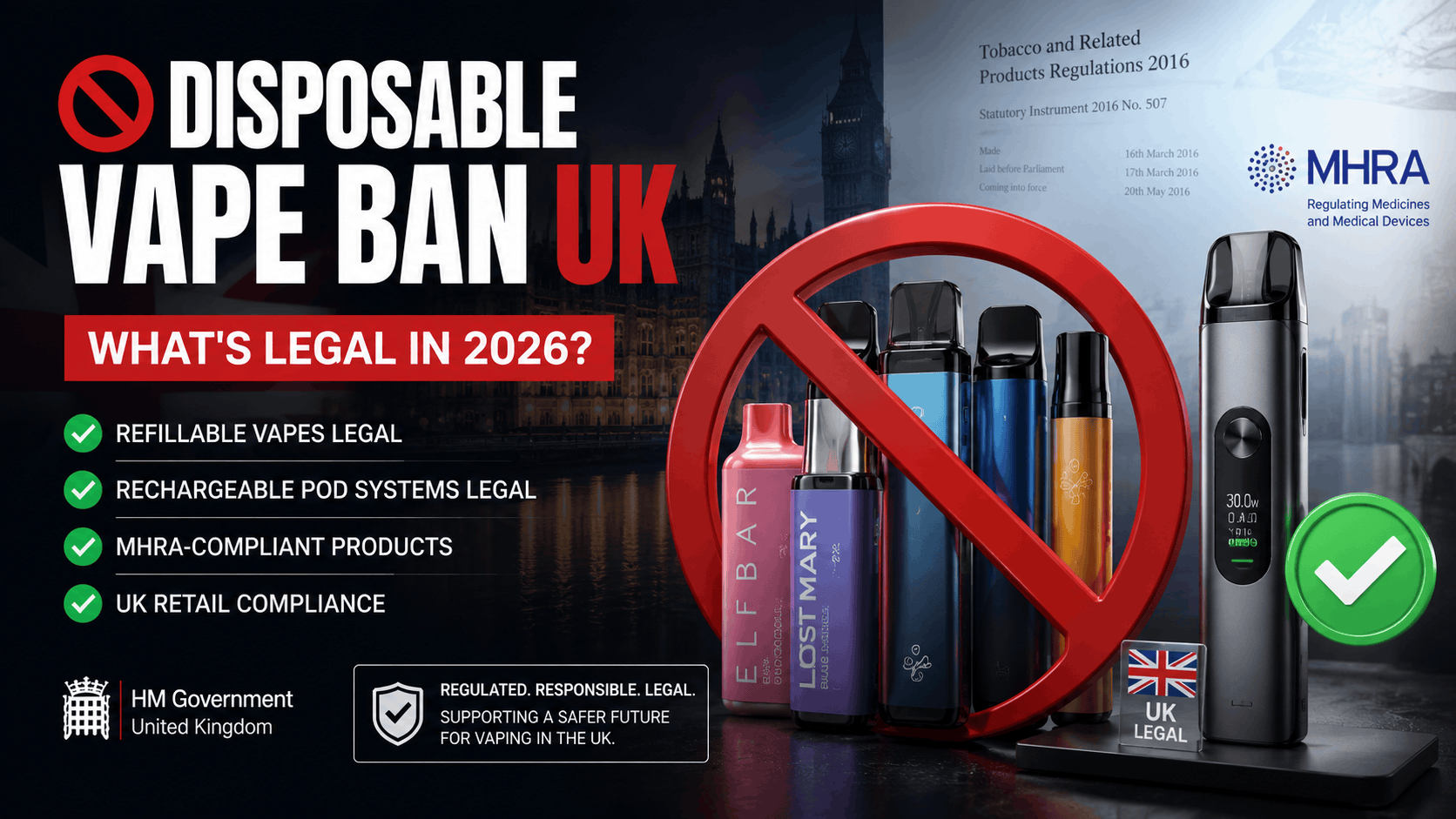
Key Takeaway
Yes. Disposable single-use vapes are banned across the UK.
The short answer is…
Yes, disposable vapes that are not both rechargeable and refillable can no longer be legally sold or supplied.
What Products Are Banned?
Products are prohibited if they are:
Most traditional disposable vapes fall into this category.
Why Were They Banned?
The government identified two primary concerns:
Environmental Waste
Millions of disposable devices were being discarded annually.
These products contain:
- Lithium batteries
- Plastic components
- Electronic waste
Youth Access Concerns
Bright colours, low pricing, and widespread availability contributed to increasing youth experimentation.
What Does the Ban Mean for Consumers?
Adult consumers:
- Can continue vaping legally
- Must switch to reusable alternatives
- Can still buy nicotine e-liquids
- Can still purchase refillable pod systems
What Does the Ban Mean for Retailers?
Retailers cannot:
- Sell banned disposable stock
- Supply banned products wholesale
- Import banned disposable devices
Trading Standards can take enforcement action against non-compliant businesses.
Featured Snippet Answer
Disposable vapes are banned throughout the UK as of June 2025. Products that are neither rechargeable nor refillable can no longer be legally sold or supplied. Refillable pod systems, rechargeable devices, and compliant nicotine e-liquids remain legal for adult consumers.
Which Vapes Are Still Legal in 2026?
Key Takeaway
Most reusable vape devices remain fully legal in the UK.
| Product Type | Legal Status | Nicotine Allowed | TPD Restrictions Apply | Typical User |
| Refillable Pod System | Legal | Yes | Yes | Everyday vaper |
| Open-System Vape | Legal | Yes | Yes | Experienced users |
| Closed Pod Device | Legal | Yes | Yes | Convenience-focused users |
| Nicotine-Free Vape | Legal | No | Partial | Recreational users |
| Shortfills | Legal | Added separately | Yes | Advanced users |
| Nicotine Salts | Legal | Yes | Yes | Ex-smokers |
Refillable Pod Systems
These have become the most popular replacement for disposables. At VapeEnterprise, we’ve noticed many former disposable users transition successfully within a few days.
Open-System Devices
These provide greater flexibility and lower long-term costs but require more user involvement.
Closed Pod Systems
These offer convenience similar to disposables while remaining compliant.
Nicotine-Free Products
These remain legal but may still be subject to product safety requirements.
Shortfills
Shortfills allow users to add nicotine separately while staying within UK regulations.
Nicotine Salts
Nicotine salts remain one of the most popular options for smokers switching from cigarettes.
UK TPD Rules: What Every Vaper Needs to Know
Key Takeaway
Most vape products sold legally in the UK must comply with TPD-derived regulations.
The short answer is…
TPD rules limit nicotine strength, tank sizes, bottle sizes, packaging requirements, and product notification standards.
2ml Tank Limit
Most nicotine vape devices sold in the UK must not exceed:
2ml tank capacity
Customers often ask why larger tanks available overseas aren’t sold in UK vape shops.
This restriction is one reason.
10ml Nicotine Bottle Limit
Nicotine-containing e-liquid bottles cannot exceed:
10ml capacity
This is why larger nicotine bottles are not commonly available through compliant UK retailers.
20mg/ml Nicotine Limit
The maximum legal nicotine strength remains:
20mg/ml
Products exceeding this concentration cannot be legally sold in the UK consumer market.
Ingredient Disclosure
Manufacturers must submit detailed ingredient information before products enter the market.
Packaging Requirements
Compliant products require:
- Child-resistant packaging
- Tamper-evident seals
- Health warnings
- Ingredient disclosures
MHRA Notification
Before nicotine vape products can be legally sold:
- Product data must be submitted
- Compliance information reviewed
- Notification completed
We have simple advice for compliance questions. Always buy from reputable retailers. Ensure products come from recognized UK channels.
How UK Vape Laws Affect Everyday Vapers
The short answer is…
Most adult vapers can continue vaping legally, but product choices have changed significantly.
Since the disposable vape ban, many customers have moved towards:
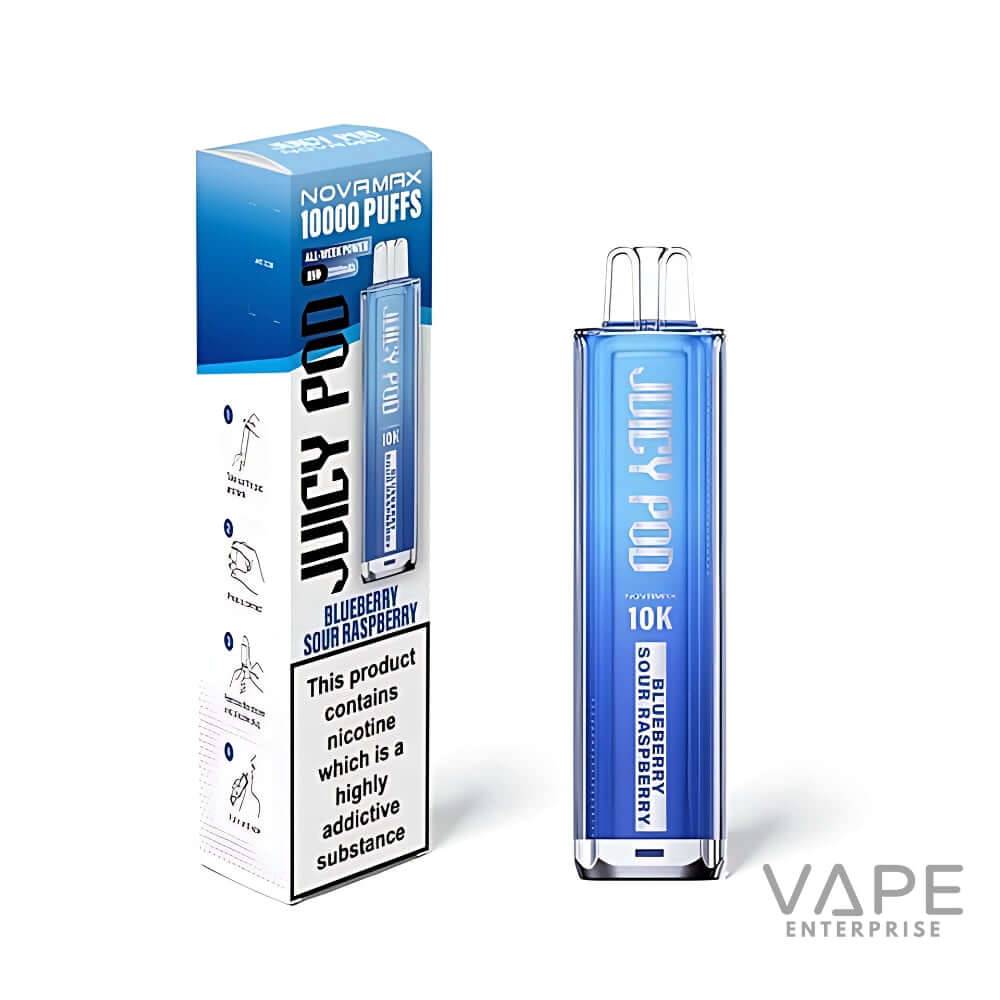
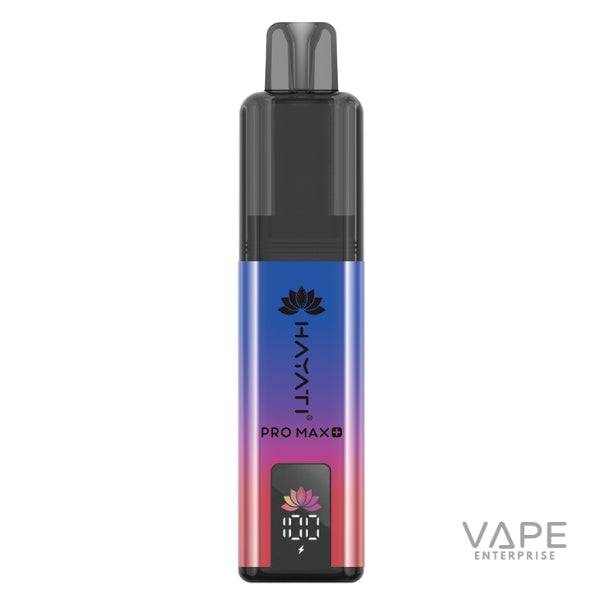
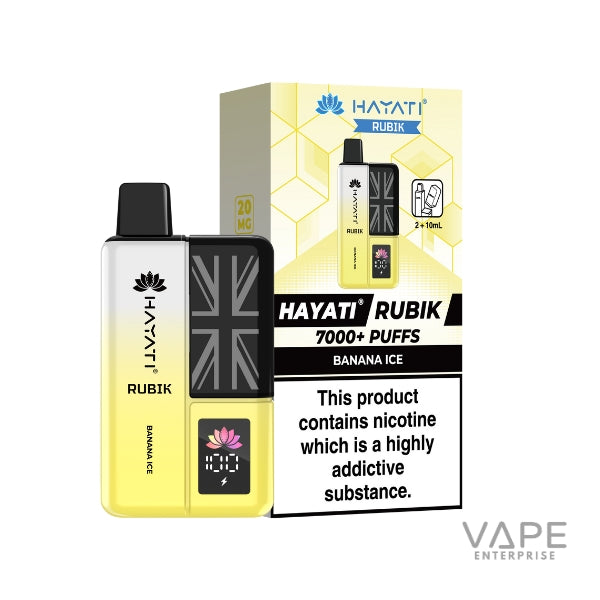
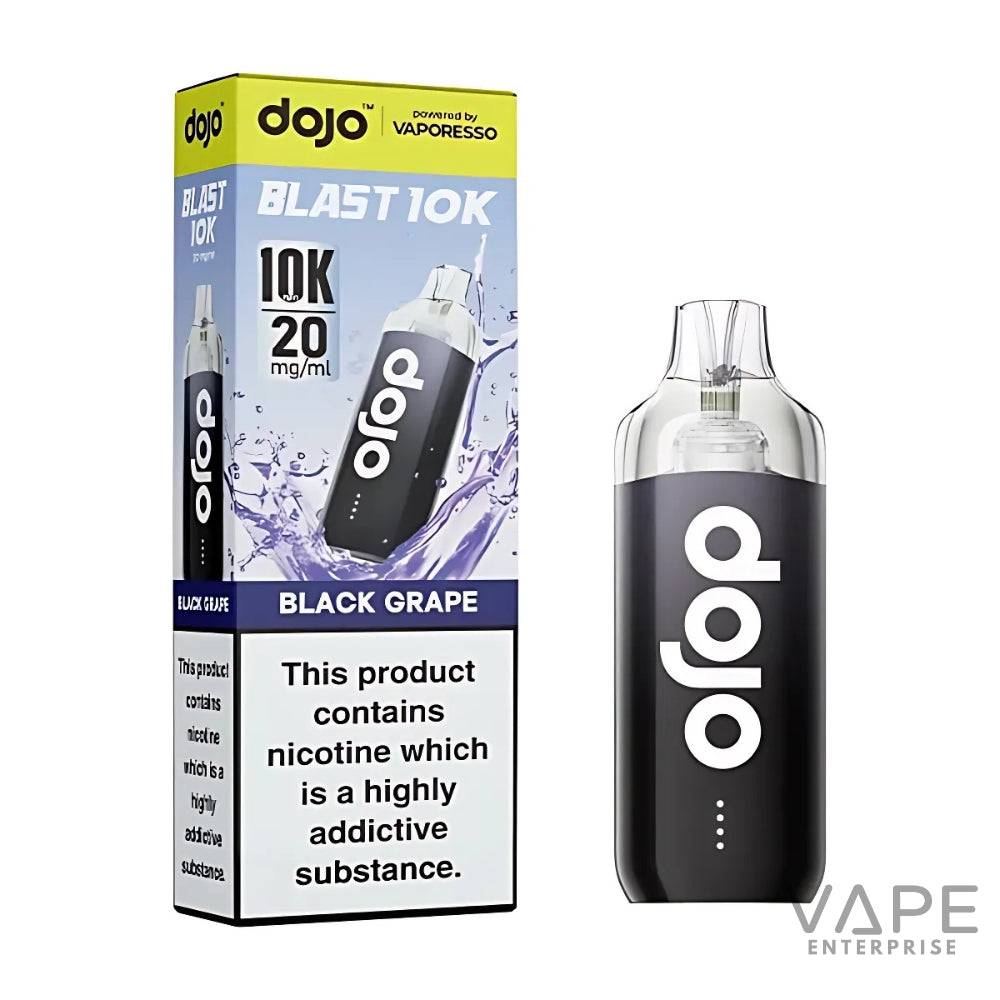
- Pod systems
- Refillable devices
- Prefilled pod kits
One common assumption we hear every week is:
“If a vape looks like a disposable, it must be illegal.”
That isn’t necessarily true.
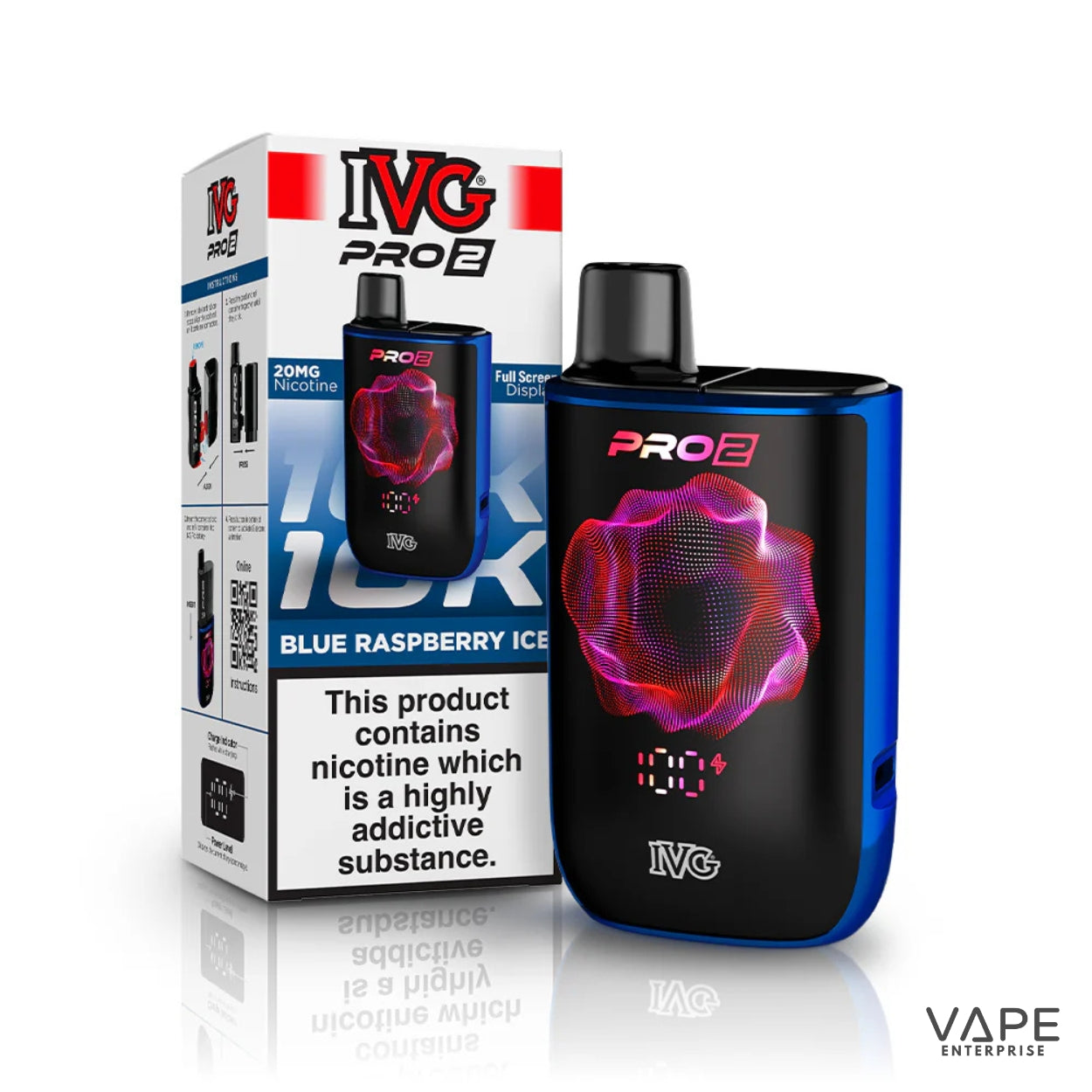
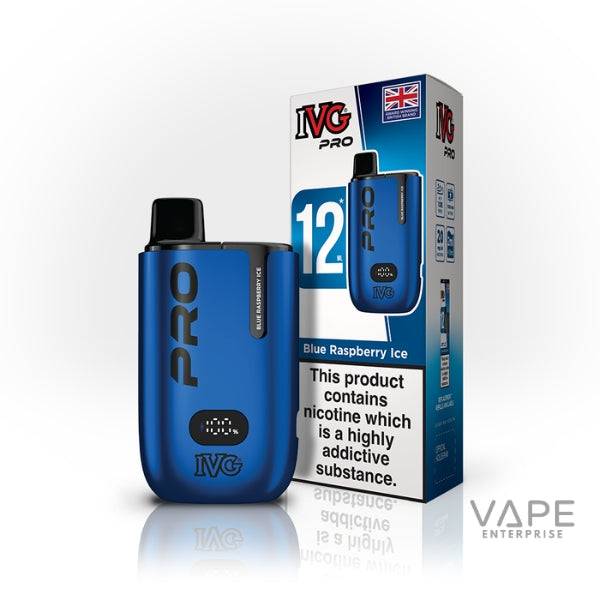
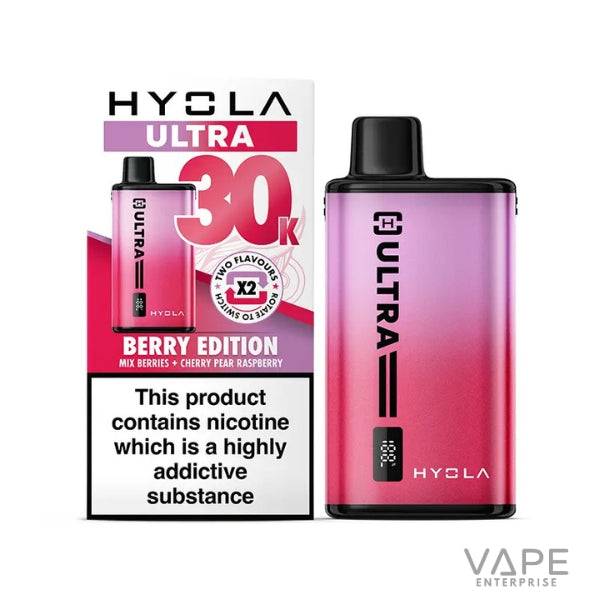
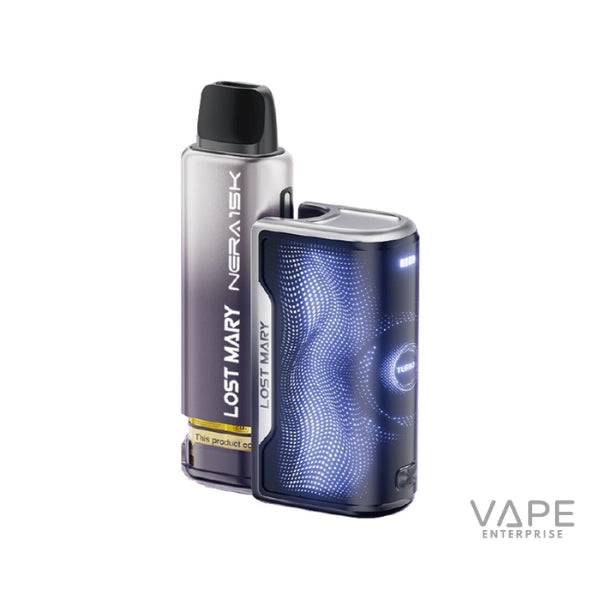
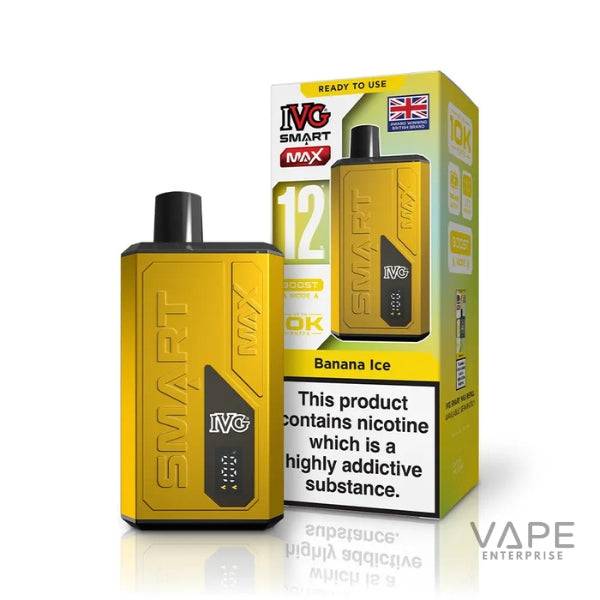
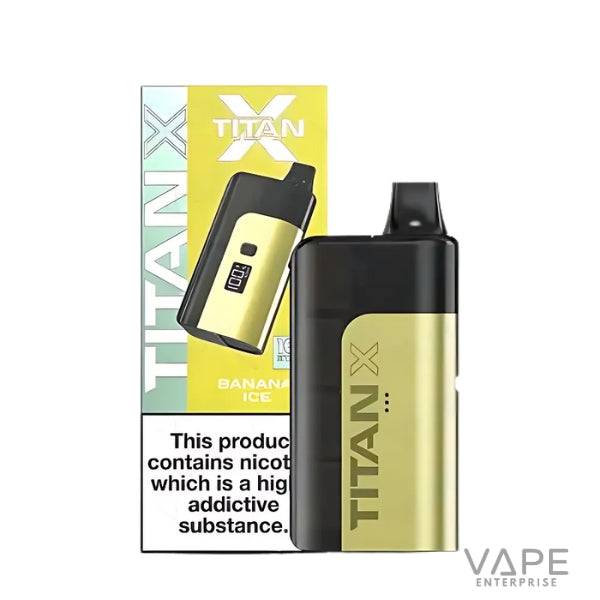
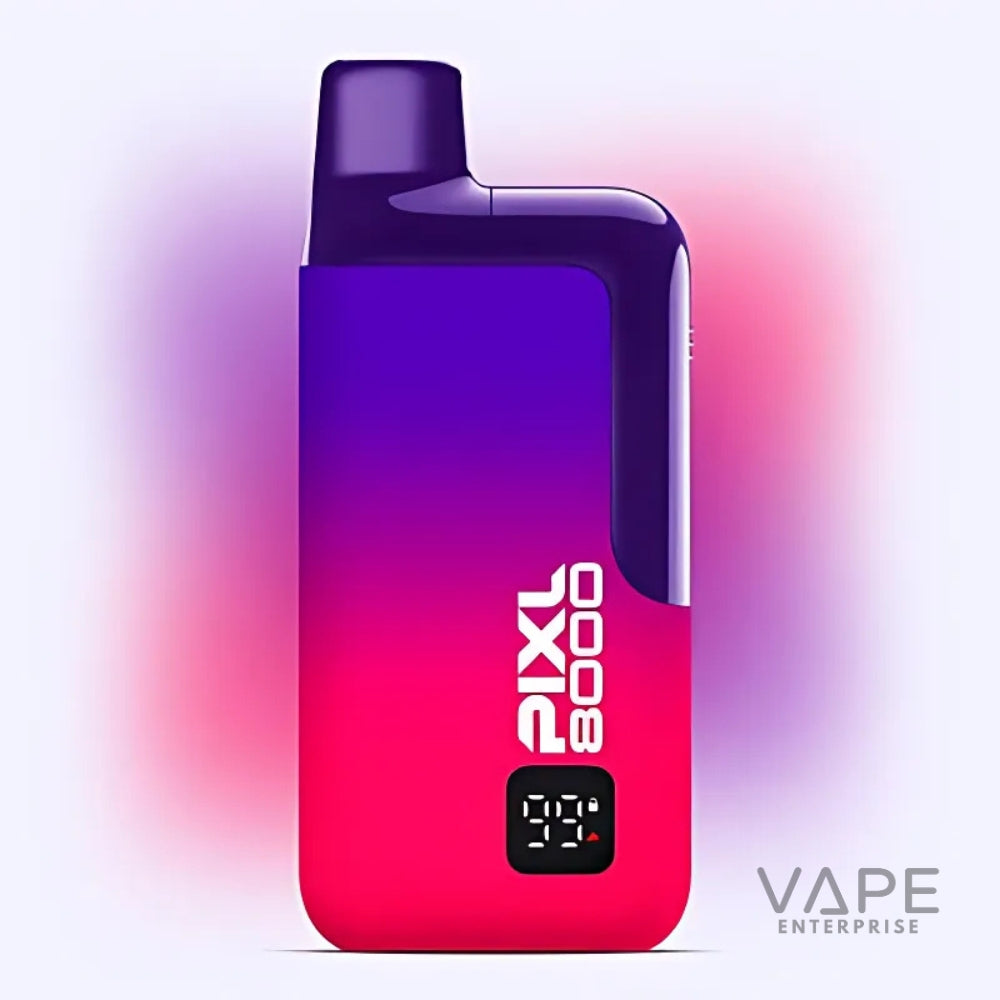
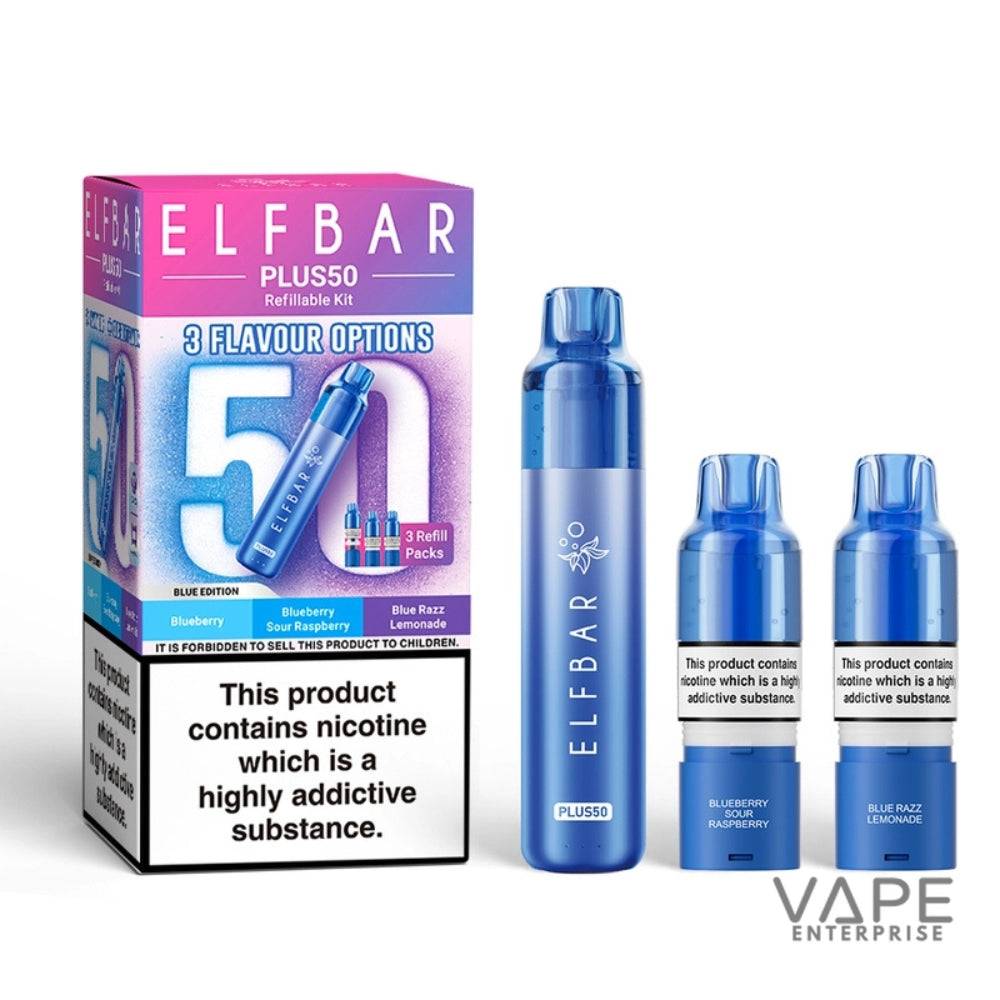
Many modern devices feel like disposables. Yet, they meet legal requirements. They are rechargeable, refillable, or both.
Consumers should also be cautious when importing products from overseas websites.
Products legal elsewhere may not meet UK requirements.
This can create problems involving:
- Customs inspections
- Product safety
- Nicotine limits
- Warranty support
How UK Vape Laws Affect Vape Retailers and Wholesalers
The short answer is…
Compliance responsibilities for retailers have increased substantially.
Retailers must maintain:
- Robust age verification
- Compliant sourcing procedures
- Product traceability
- Advertising compliance
Age Verification
Challenge 25 policies remain widely recommended.
Online sellers should use age-verification technology.
Product Sourcing
At VapeEnterprise, we’ve noticed wholesalers increasingly request MHRA verification before purchasing stock.
This has become an important part of compliance due diligence.
Advertising Restrictions
Marketing must avoid:
- Targeting minors
- Unsubstantiated health claims
- Misleading product descriptions
Non-Compliant Stock
If Trading Standards identifies non-compliant products, retailers may face:
- Product seizure
- Enforcement notices
- Financial penalties
- Reputational damage
What Most Vape Guides Don’t Tell You
1. MHRA Notification Doesn’t Automatically Mean Every Product Variation Is Covered
A flavour variation or nicotine strength may require separate notification.
Retailers sometimes assume an entire range is approved when only certain variants are.
2. Imported Products Can Appear Identical Yet Be Non-Compliant
We’ve seen products visually identical to UK versions but containing higher nicotine concentrations.
Appearance alone isn’t proof of compliance.
3. Packaging Errors Can Create Compliance Problems
Even legitimate products can become problematic if packaging requirements are not properly met.
Retailers should routinely review stock.
Five Common Mistakes — And How to Avoid Them
1. Buying Non-Compliant Imports
Why it matters: Products may breach UK regulations.
Do instead: Purchase through trusted UK channels.
2. Assuming All Disposable-Style Devices Are Illegal
Why it matters: Many legal alternatives exist.
Do instead: Check whether devices are rechargeable and refillable.
3. Misunderstanding Nicotine Limits
Why it matters: Overseas strengths may exceed UK caps.
Do instead: Verify nicotine concentration before purchase.
4. Travelling Without Checking Rules
Why it matters: Some countries restrict or ban vaping.
Do instead: Check destination regulations in advance.
5. Stocking Unverified Products
Why it matters: Retailers remain responsible for compliance.
Do instead: Confirm MHRA notification status before sale.
Expert Tip from VapeEnterprise
Expert Tip from VapeEnterprise #1
Many former disposable users choose nicotine strengths that are too low when switching.
Match nicotine intake first, then gradually reduce if desired.
Expert Tip from VapeEnterprise #2
Keep records of supplier documentation.
Good paperwork often resolves compliance questions quickly.
Expert Tip from VapeEnterprise #3
Don’t assume overseas trends predict UK legality.
UK regulations frequently differ from other markets.
Expert Tip from VapeEnterprise #4
Train staff regularly on compliance changes.
Most compliance issues originate from misunderstanding rather than deliberate misconduct.
Customer Case Studies
Case Study 1: Long-Term Disposable User
Situation: A customer had used disposables daily for over three years.
Problem: The disposable ban meant their preferred product was no longer available.
Recommendation: We explained the legal changes and suggested a reusable pod-based alternative.
Outcome: After a brief adjustment period, they reported lower ongoing costs and fewer concerns about future product availability.
Case Study 2: First-Time Vaper
Situation: A smoker wanted to switch but felt overwhelmed by regulations.
Problem: Confusion about nicotine strengths and legal products.
Recommendation: We explained TPD limits, nicotine salts, and compliant device options.
Outcome: They successfully transitioned away from cigarettes while remaining within UK regulatory requirements.
Case Study 3: Vape Shop Owner
Situation: A retailer needed to prepare for the disposable vape ban.
Problem: Existing stock required replacement.
Recommendation: Focus on compliant reusable alternatives and supplier verification.
Outcome: The business completed the transition with minimal disruption and improved long-term compliance confidence.
Frequently Asked Questions
Is vaping legal in the UK in 2026?
Yes. Adults aged 18 and over can legally purchase and use vaping products throughout the UK.
Are disposable vapes now banned?
Yes. Single-use disposable vapes are banned from sale and supply across the UK.
Can I still buy nicotine vapes?
Yes. Nicotine vaping products remain legal when compliant with UK regulations.
What is the legal age to vape in the UK?
The legal purchasing age is 18.
Can I vape in public places?
Usually yes, unless venue policies prohibit it.
Can I bring a vape on a plane?
Yes, but airline rules and destination-country laws apply.
What is the maximum nicotine strength allowed?
20mg/ml.
Are refillable vapes legal?
Yes. Refillable devices remain one of the most common legal vape categories.
Can vape shops still sell old disposable stock?
No. Banned disposable products cannot be legally supplied.
How do I know if a product is TPD compliant?
Purchase from reputable retailers and verify product compliance information.
What is MHRA notification?
It is the process through which vape products are submitted before legal sale.
Are nicotine pouches regulated the same way?
No. Different regulatory frameworks may apply.
Can I import vapes from overseas?
You may be able to, but products must still comply with UK laws.
Are non-nicotine vapes regulated identically?
Not always. Some requirements differ.
What happens if I’m caught with a non-compliant vape?
Enforcement typically focuses on supply and sale rather than possession, but retailers face greater compliance obligations.
Conclusion
UK Vape Laws
2026 are clearer than many think. Disposable vapes are off the market. Vaping remains legal for adults. Many compliant alternatives are available.
Key rules remain familiar. Adults must be 18 or older. Nicotine strength is capped at 20mg/ml. Nicotine products need MHRA notification. Retailers must follow strict compliance rules. The biggest change is moving from single-use devices. The industry now prefers reusable alternatives.
Successful customers understand the rules. They buy from reputable suppliers. They choose products designed for the UK market. This is our experience serving UK vapers.
Unsure if a device complies with UK regulations? The VapeEnterprise team can help you. We find fully compliant alternatives. Browse our range or speak to our team.